Mountain Cabin Lake Nature Design: Elevate Your Creative Projects
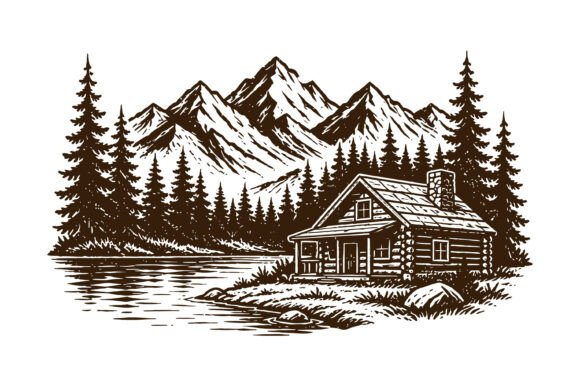
Imagine a design that instantly transports your audience to a serene, misty lakeside at dawn. This is the power of a well-crafted Mountain Cabin Lake Nature Design. For graphic designers, marketers, and creators, such thematic visual assets are not just decorative; they are strategic tools for storytelling, brand building, and creating immersive user experiences. This design style taps into a universal appreciation for wilderness, tranquility, and rustic charm, making it incredibly versatile for a wide array of creative projects.
The Role of Thematic Design in Modern Branding
In a crowded digital landscape, a cohesive and evocative visual identity is paramount. A nature-inspired design theme, centered on elements like a cabin by a lake or a forest landscape, does more than look appealing. It communicates specific values: authenticity, calm, sustainability, and adventure. This visual shorthand allows a brand to establish an emotional connection with its audience before a single word is read. Whether used in a logo, a website hero image, or packaging, the consistent application of this aesthetic strengthens brand recall and positions the brand within a desired lifestyle or mindset.
Practical Applications Across Creative Projects
The true value of a design package like this lies in its adaptability. The provided SVG, PDF, JPEG, PNG, EPS, and AI files ensure you have the right format for any medium. Here’s how you can apply this scenic wilderness theme effectively:
- Branding & Logo Design: Use iconic elements like a mountain silhouette or a stylized lake reflection to create a memorable and meaningful logo. The rustic outdoor feel is perfect for eco-tourism, outdoor apparel, craft breweries, or wellness retreats.
- Marketing & Social Media Graphics: Create scroll-stopping content. The scenic, high-contrast imagery works beautifully for Instagram posts, Facebook covers, and email newsletter headers, instantly setting a mood and increasing engagement.
- Website & UI Design: Implement the design as a full-screen background, a section divider, or subtle pattern in a user interface. It enhances the user experience (UX) by creating a calming, immersive environment, especially for sites related to travel, real estate, or mindfulness apps.
- Editorial & Packaging Design: In book covers, magazine layouts, or product packaging, this design style adds a layer of sophistication and narrative depth. It can transform a simple product into a story, appealing to consumers seeking quality and a connection to nature.
- Digital Products & Presentations: Elevate a standard presentation or a digital download (like a planner or wallpaper) with a beautiful, thematic backdrop. It demonstrates attention to detail and a premium design sensibility.
Tips for Effective Implementation
Integrating a powerful visual asset requires thoughtful execution to maintain professionalism and impact. Consider these factors during your design workflow:
- Consistency is Key: Ensure the design elements align with your broader brand identity, including your chosen color palette and typography. The earthy tones of a mountain lake scene pair well with clean, sans-serif fonts or rustic, hand-lettered typefaces.
- Visual Hierarchy & Readability: When using detailed scenic imagery, ensure text overlays remain legible. Utilize techniques like adding a semi-transparent overlay, placing text in less busy areas (like the sky or water), or using bold, high-contrast typography.
- Scalability & Purpose: Always choose the correct file format. Use vector files (SVG, AI, EPS) for logos and icons that need to scale infinitely without losing quality. Use high-resolution raster files (PNG, JPEG) for digital and print backgrounds.
- Audience Alignment: Does this visual language resonate with your target demographic? A wilderness theme naturally appeals to audiences interested in outdoor activities, wellness, and authentic experiences, but can be adapted with minimalist elements for broader appeal.
Ultimately, the most successful designs are those that serve a clear purpose while evoking the right emotion. By thoughtfully selecting and applying a cohesive visual theme like a mountain cabin and lake, you do more than decorate a space—you build a world. Quality creative assets provide the foundation, but your strategic application of these elements—mindful of composition, color, and audience—is what transforms good design into compelling communication that truly resonates.